
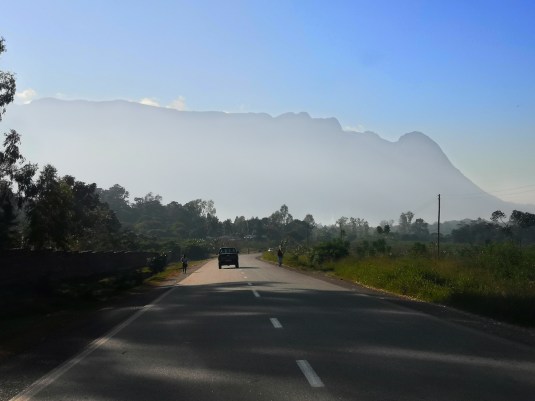
So, the world over, it would appear, people are not satisfied with looking at a beautiful view of a mountain. It’s not enough to stand at the bottom and admire the majesty of the peaks and their waterfalls. We have this insatiable desire to be at the top of the mountain. No matter how we get there, we have to see the view from the top.
You can go to the Alps and you will find the most staggering feats of engineering, where funicular trains and gondelbahns will carry you up steep mountainsides to the mind blowing vistas at the top.
You can visit Cape Town and there you desire to take the cable car up Table Mountain to see the incredible sea views from the top. Wow!
You read about Everest and the ‘chaos’ of people trying to ascend the world’s highest mountain. Kilimanjaro has thousands of visitors each year, determined to beat the altitude and make it to the summit.
And then there is Mount Mulanje, a gem hidden from many, in the Southern Region of Malawi. She is a free-standing granite massif, 3002 metres high (at Sapitwa Peak) and she towers over the surrounding tea plantations, close to the Mozambique border. Those fortunate enough to know her name are drawn to her. We hear the legends and tales surrounding her and yet become sucked in to her magnetism.
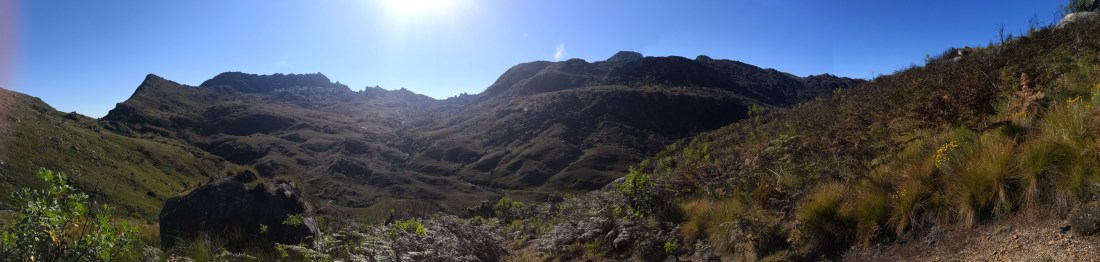
Many living in her shadow have never attempted to climb to the plateau. And those who have attempted to climb her ill-prepared have not lived to tell their tale. In his book ‘Venture to the Interior’, Laurens Van der Post writes of his mission to discover Mount Mulanje (as well as Nyika), sent by the British government in 1949; his beautiful narrative turns into a terrible tragedy.
More recently the Brazilian, Gabriel Buchmann, decided to climb Sapitwa, insisting on venturing further than the point where his guide implored him to stop. He got caught in a ‘Chiperone’ (bad weather front) and died of exposure under a rock, where his body was found two weeks later. The film, ‘Gabriel and the mountain’ tells the story of this adventurous and intelligent student of Economics, whose poor decision up Mulanje brought his life to an early close.
Sapitwa actually means, ‘don’t go there’ in Chichewa, and local legends have reinforced over the years how dangerous it can be to attempt the hike, especially in bad weather.
And yet, we stand and look up at her majestic stature and admire the waterfalls cascading down, so tempted to conquer her! And we know that if we take enough guides and porters who know the mountain, and if we take it steadily (phangono phangono), then we will be fine.

So this weekend we decided as a family to climb Mulanje. Three of us had already climbed to the plateau, but not our youngest, and none of us together. So having planned it for over a year, the time had come. We packed our rucksacks for the porters to carry and our day bags for ourselves. We were slightly nervous about the ascent because last minute changes meant taking a steeper route than anticipated. However, many friends had recommended the Lujeri route and reassured us we would be fine.
We set off early on the 25th May, met our friends en route and picked up our guides outside Mulanje Pepper Pizza restaurant. They squeezed into the two cars and we travelled for a further 45 minutes to the Lujeri tea estate, where we met our porters and left the cars beside Shed 3. Once the porters were allocated rucksacks, we were off, one guide and porter at the front with our 3 boys. The initial walk through the tea plantation was so pretty – the tea plants such a lush shade of green – there is no shortage of water around here. To our surprise, we realised that the plants placed at the end of the rows of tea were actually pineapple plants! We’d never seen them growing before.

Once we left the tea behind, we began the tough ascent through damp woodland, the route at times so steep that ladders had been positioned against the rocks, to aid our climbing. We were grateful for them, as at other times we just had to scale rocks, clinging to the side, or scrambling over them. And the ‘up’ went on forever. Our legs were aching, our hands tired of pulling us up, section by section and our brains became exhausted from the concentration required for every step. Then there were the bridges, the green mossy bridges, not to be used at any cost!

Finally we reached the plateau (and let us be clear – there is nothing flat about this plateau) and soon the hut was in sight; rarely have we been so thrilled to glimpse a wooden chalet and the smoke rising from its fires. Madzeka Hut: there it was to welcome us. Cups of tea and the curry dinner we had brought with us. We ate well and slept even better!

Then came the decision: we awoke to bad weather…indeed it had rained a lot in the night. Stanford, our lead guide, was not happy for us to stay at Madzeka and risk a slippery return descent on Monday. The alternative was a middle day hike to Chinzama Hut and the longer (safer) descent from there. But some of us needed a recovery day. Could we not risk the Madzeka descent? Or should one group move on and one group remain?
We took Stanford’s advice and had the most spectacular trek across the plateau, up hills, down valleys, crossing rivers, passing pools, with eagles flying overhead and evidence of serval cat but no sightings by day. The paths were not easy, but they were wider, more open than the previous day, and reached by the sun, as the clouds lifted to reveal some of Mulanje’s impressive peaks.

We were thrilled to find Chinzama hut held fabulous views. It was higher up and colder, so we were grateful for the fires.

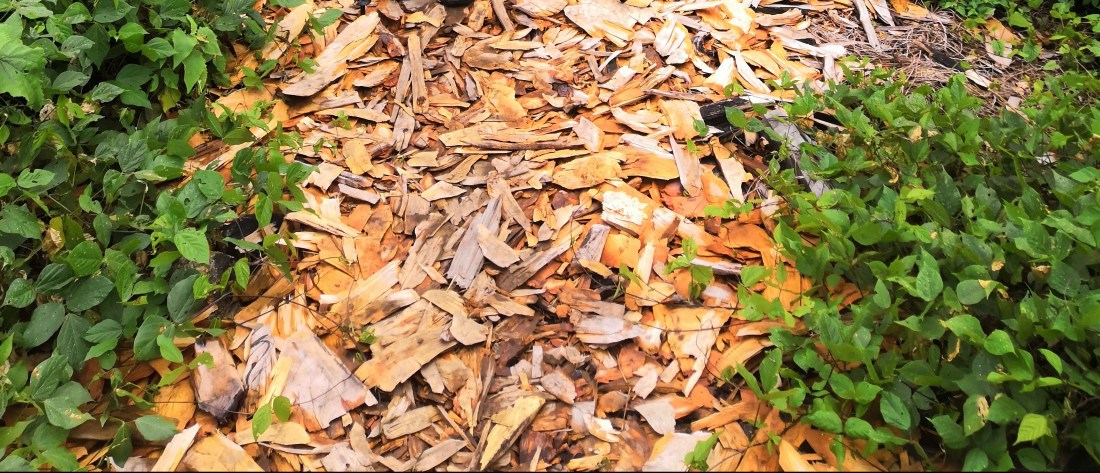
After another good sleep, we awoke early and packed after a good breakfast, so that we could begin our long descent. First we had the 2-hour hike across the plateau to Minunu Hut, set in a stunning location, but sadly abandoned and ransacked. From there, the edge of the mountain came into view. Once again the clouds descended, hiding from view the immense drop to both sides as we mounted the spur above Lujeri. The path was littered with the waste from illegal Mulanje Cedar logging; it smelt divine but also incredibly sad beneath our feet.
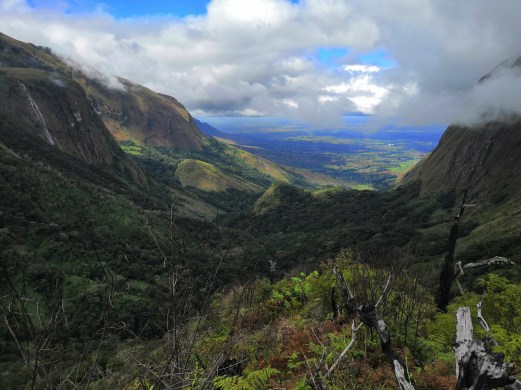
It’s hard to describe our ‘path’ for the next 3 hours. Steve felt it was not a real path; rather some ubiquitous route taken by loggers hiding from view. And yet it is a path marked on the map and named. It was at times so narrow, you could only concentrate on placing your foot correctly; looking down the precipice below was out of the question. Many times we had to clamber over huge boulders and fallen trees. The wet mud and mossy rock was slippery under foot, adding to the tension. Anxiety levels were high and language colourful at times, as birds flew overhead and we heard monkeys in the trees. We took turns to cheer each other on and John, our guide, showed infinite patience going half the speed he was used to. His hand appeared at just the right moments to assist with frighteningly steep rocks and stepping stones over surprisingly fast-flowing rivers. Twice now he has been my Mulanje hero.

So after 8 hours of treacherous walking, we finally saw Shed 3, our cars and my son, who had descended 3 hours more quickly, came running into my arms, surprised himself by the tears rolling down his cheeks at the sight of us emerging from the woods. Aged 9, he knew, like us, that we had achieved something very significant and experienced something unique in its splendour and fearsome might. An adventure never to be forgotten, but one we’d love to repeat.
As if there had not been enough adrenaline for one day, on the long drive home the Malawi Electoral Commission announced the long-awaited and close results of last week’s presidential elections. I guess you could say we were lucky to be driving through the home district of the re-elected President, so the running and dancing, singing and chanting were those of happy citizens. We may have been less lucky had we been driving further north. We returned home to power cuts and the water ran out before we had all showered: the reminders that Malawian living has as many ups and downs as the Mulanje Massif.

 Out of Africa: Yorkshire adventure